


सभी उत्पाद
-
परमाणु विकिरण संरक्षण
-
परमाणु विकिरण डिटेक्टर
-
कॉपर पन्नी परिरक्षण
-
आरएफ परिरक्षित दरवाजे
-
आरएफ परिरक्षित विंडोज
-
विकिरण संरक्षण लीड ग्लास
-
गैर चुंबकीय उपकरण किट
-
आरएफ परिरक्षित चैंबर
-
हनीकॉम्ब वेवगाइड एयर वेंट
-
प्रवाहकीय चिपकने वाला कॉपर टेप
-
कॉपर वायर मेष
-
एक्स रे लीड ग्लास
-
ईएमआई परिरक्षण गैसकेट
-
विद्युत प्रवाहकीय कपड़ा
-
विकिरण सुरक्षा द्वार
-
विकिरण संरक्षण एक्स रे
-
फैराडे केज एमआरआई
-
कॉपर वायर ऊन
-
एमआरआई एलईडी प्रकाश
-
गैर चुंबकीय व्हीलचेयर
-
गैर चुंबकीय स्ट्रेचर
-
 अनसपीतल मधुकोश वेंट बहुत अच्छा लग रहा है
 -
 सतीशएमआरआई/आरएफ दरवाजे हैंडल से चमक रहे हैं, धन्यवाद मेरे दोस्त।
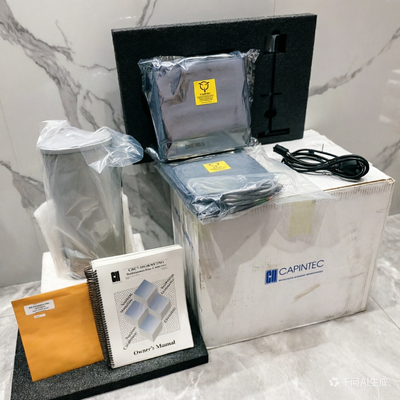
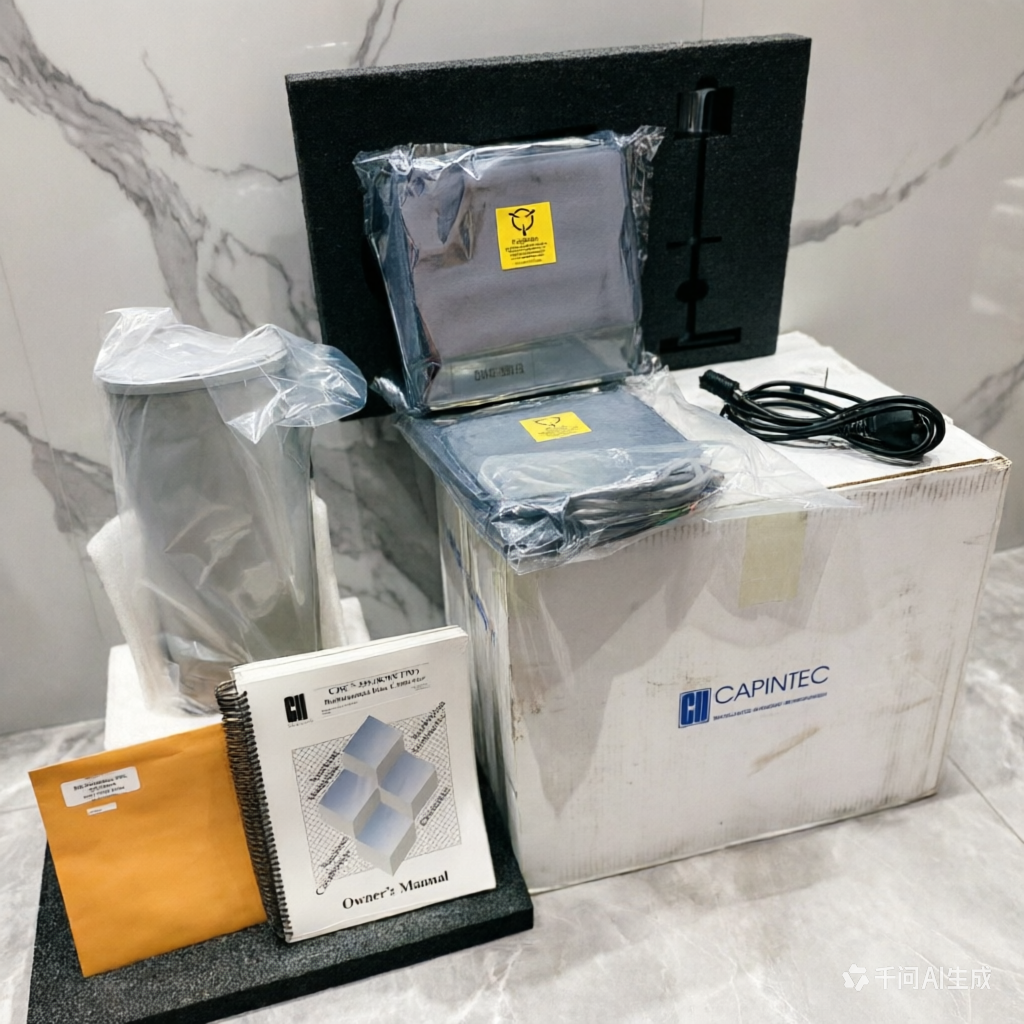
रेडियोन्यूक्लाइड गतिविधि गुणवत्ता नियंत्रण के लिए गर्म सेल खुराक कैलिब्रेटर
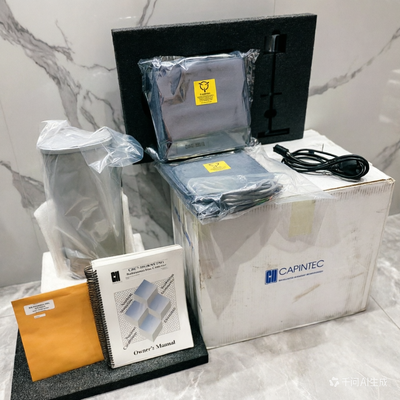
उत्पाद विवरण
| भंडारण तापमान | -40°C से 60°C | संचयी खुराक सीमा | 0.1 μSv ~ 10 Sv |
|---|---|---|---|
| आधार सामग्री भंडारण | 1000 रीडिंग तक | परिचालन तापमान | -20°C से 50°C |
| वज़न | लगभग 9.8 किग्रा | आकार | 350*250*245(मिमी) |
उत्पाद विवरण
रेडियोन्यूक्लाइड गतिविधि गुणवत्ता नियंत्रण के लिए हॉट सेल डोज़ कैलिब्रेटर
उत्पाद परिचय
गुणवत्ता नियंत्रण के लिए हॉट सेल डोज़ कैलिब्रेटर विशेष रूप से परमाणु चिकित्सा नियमों और मान्यता निकायों द्वारा आवश्यक व्यापक गुणवत्ता आश्वासन कार्यक्रम का समर्थन करने के लिए डिज़ाइन किया गया है। प्रत्येक खुराक अंशशोधक को दैनिक स्थिरता जांच, त्रैमासिक रैखिकता परीक्षण और वार्षिक अंशांकन सत्यापन से गुजरना होगा। परंपरागत रूप से, ये परीक्षण बाहरी स्रोतों का उपयोग करके किए जाते हैं जिन्हें हॉट सेल के बाहर नियंत्रित किया जाना चाहिए, जिससे कर्मचारियों का जोखिम और संदूषण का खतरा बढ़ जाता है। यह उपकरण अपने सॉफ़्टवेयर में गुणवत्ता नियंत्रण प्रोटोकॉल को एकीकृत करता है, प्रत्येक आवश्यक परीक्षण के माध्यम से उपयोगकर्ता का मार्गदर्शन करता है, परिणामों की गणना करता है, और निरीक्षण के लिए रिकॉर्ड संग्रहीत करता है। डिटेक्टर सभी क्यूसी प्रक्रियाओं के लिए हॉट सेल के अंदर रहता है, जिससे स्रोतों को स्थानांतरित करने की आवश्यकता समाप्त हो जाती है।
आवेदन रेंज
यह खुराक अंशशोधक परमाणु चिकित्सा विभागों के लिए डिज़ाइन किया गया है जिन्हें खुराक अंशशोधक प्रदर्शन परीक्षण के लिए नियामक आवश्यकताओं का पालन करना होगा। विशिष्ट गुणवत्ता नियंत्रण अनुप्रयोगों में लंबे समय तक रहने वाले संदर्भ स्रोत (आमतौर पर सीएस-137 या सीओ-57) का उपयोग करके दैनिक स्थिरता जांच, क्षय विधि या आस्तीन विधि का उपयोग करके त्रैमासिक रैखिकता परीक्षण, विभिन्न सिरिंज और शीशी प्रकारों की तुलना करते हुए ज्यामिति भिन्नता अध्ययन, पृष्ठभूमि विकिरण निगरानी, और राष्ट्रीय मानकों के लिए वार्षिक अंशांकन सत्यापन शामिल है। यह उपकरण नए रेडियोफार्मास्यूटिकल्स के लिए स्वीकृति परीक्षण, माप पुनरुत्पादन अध्ययन और मल्टी-साइट परमाणु चिकित्सा नेटवर्क के लिए अंतर-उपकरण तुलना प्रोटोकॉल का भी समर्थन करता है। गुणवत्ता नियंत्रण के अलावा, अंशशोधक जनरेटर एलुएट गतिविधि सत्यापन, रोगी खुराक वितरण और अपशिष्ट गतिविधि लक्षण वर्णन सहित नियमित खुराक माप कार्य करता है।
प्रदर्शन और लाभ
गुणवत्ता नियंत्रण के लिए हॉट सेल डोज़ कैलिब्रेटर प्रतिकृति माप के लिए ±2% की प्रतिलिपि प्रस्तुत करने योग्यता के साथ ±5% की माप सटीकता प्राप्त करता है। उपकरण के गुणवत्ता नियंत्रण सॉफ़्टवेयर मॉड्यूल में प्रत्येक आवश्यक परीक्षण के लिए चरण-दर-चरण निर्देश शामिल हैं, जो अनुमान को समाप्त करता है और प्रक्रियात्मक त्रुटियों की संभावना को कम करता है। दैनिक स्थिरता जांच के लिए, सॉफ्टवेयर उपयोगकर्ता को संदर्भ स्रोत को चैम्बर में रखने के लिए संकेत देता है, स्वचालित रूप से रीडिंग को रिकॉर्ड करता है, इसकी अपेक्षित मूल्य से तुलना करता है, और स्वीकार्य सीमा (आमतौर पर ±10%) से अधिक किसी भी विचलन को चिह्नित करता है। सॉफ़्टवेयर निरंतरता जांच परिणामों का एक ऐतिहासिक रिकॉर्ड रखता है, उपयोगकर्ताओं को क्रमिक प्रदर्शन परिवर्तनों के प्रति सचेत करने के लिए समय के साथ रुझान प्रदर्शित करता है जो अंशांकन बहाव का संकेत दे सकता है। त्रैमासिक रैखिकता परीक्षण के लिए, सॉफ़्टवेयर क्षय विधि (एक स्रोत को बार-बार मापना क्योंकि यह कई आधे-जीवन में क्षय होता है) और स्लीव विधि (कैलिब्रेटेड एटेन्यूएटर्स का उपयोग करके) दोनों का समर्थन करता है। उपकरण स्वचालित रूप से रैखिकता विचलन की गणना करता है, किसी भी गैर-रेखीय क्षेत्र की पहचान करता है, और एक पास/असफल रिपोर्ट तैयार करता है। ज्यामिति भिन्नता अध्ययन के लिए, सॉफ्टवेयर विभिन्न सिरिंज या शीशी प्रकारों में एक ही रेडियोधर्मी समाधान के माप के माध्यम से उपयोगकर्ता का मार्गदर्शन करता है, ज्यामिति सुधार कारकों की गणना करता है, और उन्हें नियमित माप में उपयोग के लिए संग्रहीत करता है। सभी गुणवत्ता नियंत्रण रिकॉर्ड टाइमस्टैम्प और उपयोगकर्ता पहचान के साथ एक आंतरिक डेटाबेस में संग्रहीत किए जाते हैं, और यूएसबी पोर्ट स्प्रेडशीट या गुणवत्ता प्रबंधन प्रणालियों में निर्यात की अनुमति देता है। प्रिंटर आउटपुट नियामक निरीक्षण के लिए उपयुक्त हार्डकॉपी रिकॉर्ड तैयार करता है। उपकरण में एक चेतावनी प्रणाली शामिल है जो क्यूसी परीक्षण होने पर उपयोगकर्ताओं को सूचित करती है, जिससे छूटे हुए परीक्षणों के कारण गैर-अनुपालन का जोखिम कम हो जाता है। परमाणु चिकित्सा विभागों के लिए, मुख्य लाभ हैं स्वचालित क्यूसी प्रोटोकॉल और रिकॉर्ड के माध्यम से नियामक अनुपालन को सरल बनाना, कर्मचारियों का जोखिम कम करना क्योंकि क्यूसी परीक्षण गर्म सेल के अंदर चलती स्रोतों के बिना किए जाते हैं, रोगी की खुराक सटीकता में आत्मविश्वास में सुधार होता है क्योंकि क्यूसी रिकॉर्ड उपकरण के प्रदर्शन को प्रदर्शित करते हैं, और मैनुअल क्यूसी प्रक्रियाओं की तुलना में समय की बचत होती है। गुणवत्ता नियंत्रण और नियमित खुराक माप कार्यों के उपकरण के एकीकरण से एक अलग क्यूसी-केवल अंशशोधक की आवश्यकता समाप्त हो जाती है, जिससे उपकरण की लागत और कार्यक्षेत्र की आवश्यकताएं कम हो जाती हैं। विकिरण सुरक्षा अधिकारियों के लिए, व्यापक क्यूसी रिकॉर्ड नियामक निरीक्षण और मान्यता सर्वेक्षण के लिए रक्षात्मक दस्तावेज़ीकरण प्रदान करते हैं।
अनुशंसित उत्पाद
